How Can Stroke Teams Increase Therapy Intensity and Frequency Without Increasing Workload?
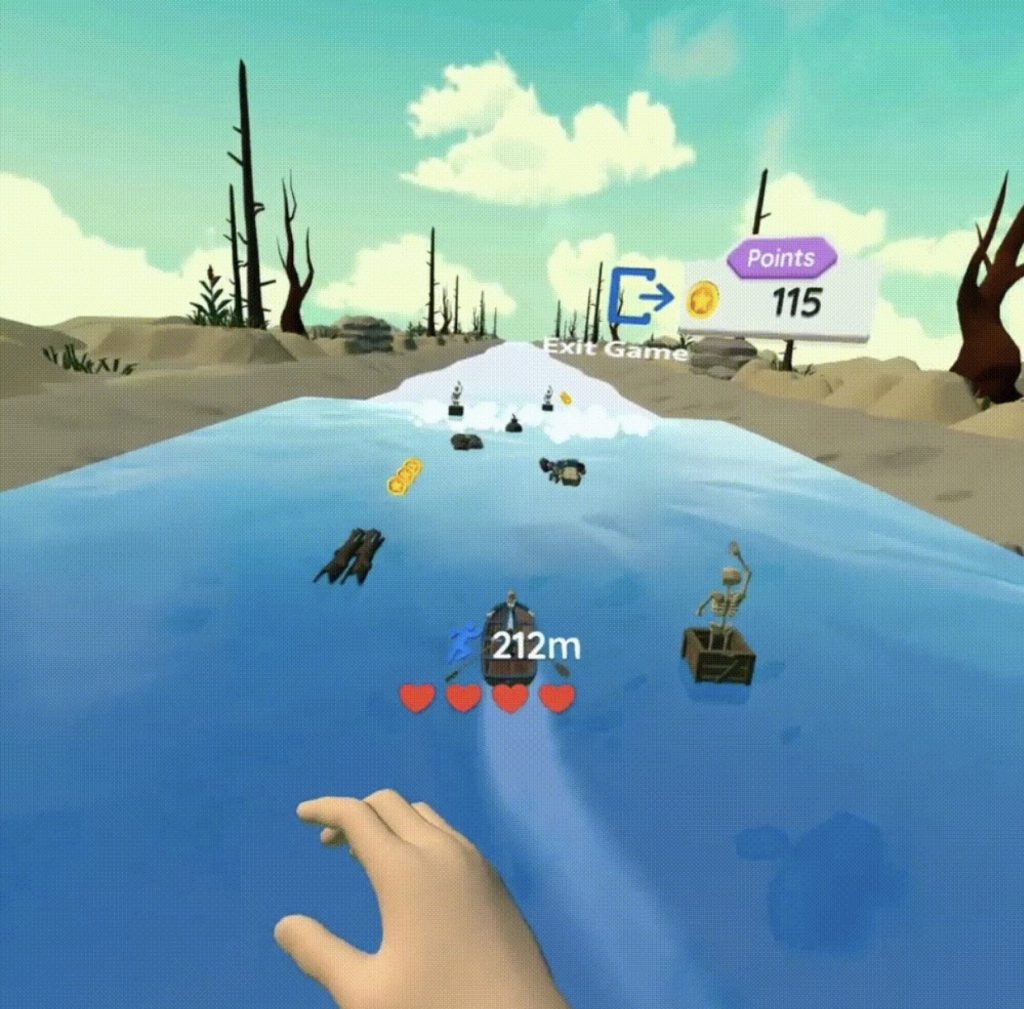
More repetitions. More opportunities to practise. More rehabilitation between appointments. How can stroke services deliver more when therapist time is already stretched? For stroke rehabilitation teams, the challenge is not simply delivering high-quality therapy. It is finding enough time to deliver it frequently enough and at sufficient intensity to support recovery. Patients need opportunities to practise movements repeatedly, build skills and work towards greater independence. Yet busy caseloads, staffing pressures and limited face-to-face contact can restrict how much rehabilitation patients receive. And when therapy ends, patients may have to wait until their next appointment for another structured opportunity to practise. What if rehabilitation didn’t have to stop when the therapist left the room? Digital rehabilitation is opening up new possibilities for stroke services, helping patients access additional structured practice while giving therapists new ways to monitor activity and performance. At eXRt, this is exactly the challenge we designed ReSynk to help address. Intensity matters. But so does frequency. Stroke recovery requires more than attending an occasional therapy session. Patients need repeated opportunities to practise meaningful movements as they work towards improving upper-limb function and independence. Two questions matter: • Intensity: How much purposeful rehabilitation is a patient completing? • Frequency: How often are they getting the opportunity to practise? A patient might receive a valuable therapist-led session, but what happens during the hours and days between appointments? If opportunities to practise are limited, valuable time for rehabilitation may be lost. For stroke services, the challenge is to create a pathway where appropriate rehabilitation can continue between appointments, rather than relying exclusively on the time available for direct therapist contact. The Sentinel Stroke National Audit Programme (SSNAP) includes measures relating to stroke rehabilitation and therapy provision. Therapy intensity is therefore an important consideration for services reviewing their performance and looking for opportunities to improve care. The question is not just whether patients receive therapy. It is whether services are creating enough opportunities for meaningful rehabilitation throughout the day and across the recovery pathway. The capacity challenge: how do you deliver more therapy with the same team? Therapists understand the importance of repetition. But delivering additional repetitions manually to every patient is difficult when caseloads are high and clinical time is limited. Increasing face-to-face appointments is not always practical. Recruiting additional staff takes time, and travelling between patients can consume valuable hours that could otherwise support care. This creates a difficult balance: patients need more opportunities to practise, while therapists must prioritise assessment, treatment planning, complex interventions and clinical decision-making. Simply asking therapists to do more is not a sustainable solution. Instead, stroke services need to consider how rehabilitation can be delivered differently, allowing patients to practise more frequently without requiring a therapist to supervise every repetition. What if patients could continue structured rehabilitation between sessions? Virtual reality (VR) offers one way to create additional opportunities for rehabilitation. At eXRt, we developed ReSynk, a VR-based neurorehabilitation platform designed to support upper-limb rehabilitation through interactive, task-based exercises. Patients use a VR headset to practise movements in an engaging environment, while therapists can use a web-based dashboard to review rehabilitation activity and performance. This creates the opportunity to extend rehabilitation beyond the traditional therapist-led session. Instead of every additional repetition requiring hands-on therapist time, appropriate patients can undertake structured practice independently, with clinical oversight determined by their needs and the service’s protocols. That means rehabilitation opportunities can potentially be increased in three important ways: • More repetitions: Patients can practise movements repeatedly within interactive rehabilitation activities. • Greater frequency: Additional practice can take place between scheduled therapist-led sessions. • More flexibility: Rehabilitation can be incorporated into hospital, community and home pathways where clinically appropriate. The goal is not to replace conventional therapy. It is to complement it, helping patients access additional opportunities to practise while therapists retain responsibility for clinical assessment, goal setting and treatment decisions. The results: what could additional rehabilitation look like in practice? In eXRt’s NHS quality improvement work, ReSynk demonstrated the potential to increase the amount of rehabilitation practice patients could complete. Our reported findings included approximately 350% more upper-limb repetitions in some comparisons with conventional therapy, with results varying according to the comparison and individual circumstances. This matters because repetitions are not simply a number on a dashboard. They represent additional opportunities for patients to practise movements as part of their rehabilitation. However, more repetitions alone do not guarantee better functional recovery. The relevance, quality, appropriateness and consistency of practice matter too. For stroke teams, the opportunity is to combine therapist-led expertise with additional structured practice, while monitoring how the approach works for their patients. The bigger question is what happens when additional practice becomes a regular part of the rehabilitation pathway, rather than something that is only possible during scheduled appointments. Frequency: the missing opportunity between appointments Consider a patient who receives a therapist-led session but has limited access to structured rehabilitation until their next appointment. Now consider the potential for that patient to complete additional, appropriate practice between sessions, with activity recorded digitally for their therapist to review. The difference is not simply the amount of therapy completed in one session. It is the opportunity to make rehabilitation a more regular part of the patient’s routine. For community stroke teams, this could be particularly relevant when face-to-face appointments are limited by travel, staffing or geographical distance. For inpatient services, it could provide an additional way to support practice alongside conventional therapy. For home-based rehabilitation, it could help patients continue appropriate exercises beyond the clinical environment. More frequent opportunities to practise could help bridge the gap between what happens during an appointment and what happens during the rest of the patient’s recovery. That is the opportunity stroke services should be exploring. From repetitions to measurable rehabilitation data Increasing rehabilitation frequency is only part of the challenge. Teams also need visibility of what patients are doing between sessions. Without reliable information, it can be difficult to understand how consistently patients are practising and how their performance changes over time. ReSynk uses controller-free hand tracking and motion data to capture aspects of rehabilitation
Hospital at Home Is Changing Stroke Rehabilitation. Is Your Service Ready?
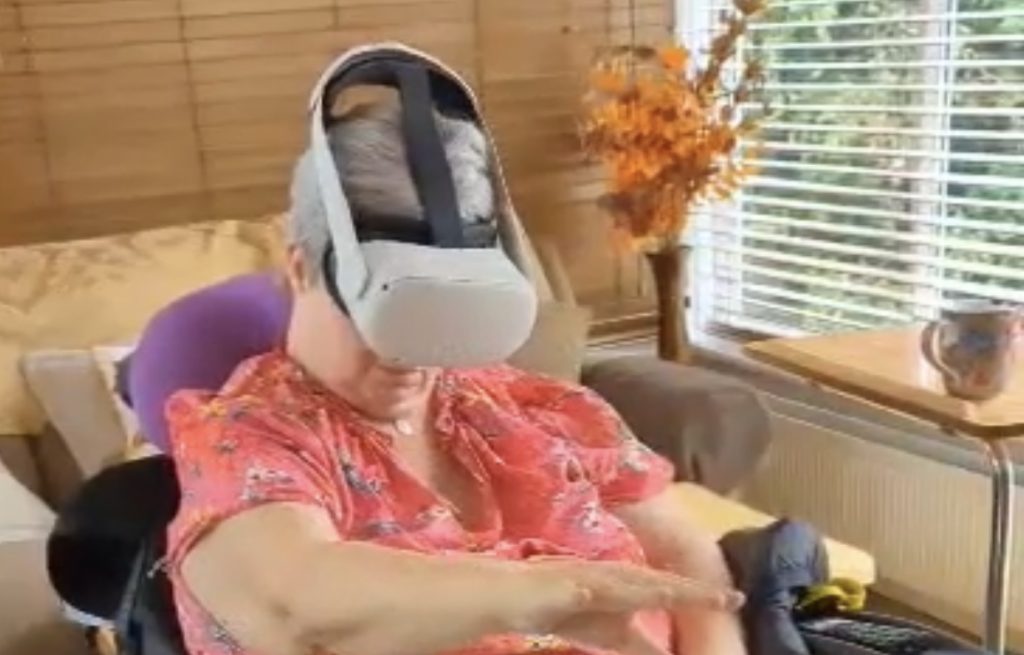
Hospital at Home Is Changing Stroke Rehabilitation. Is Your Service Ready? Stroke rehabilitation cannot stop when a patient leaves home. So why should access to intensive therapy? As stroke services look for new ways to deliver rehabilitation beyond hospital walls, Hospital at Home is creating an opportunity to rethink how, where and how often patients receive therapy. But there is a challenge. How can you deliver more rehabilitation without adding to your stretched therapy team? How do we keep patients engaged between appointments? How do we know they are practising? And how can therapists maintain oversight when patients are recovering at home? Technology-enabled rehabilitation is helping to address these questions. For stroke services exploring the next generation of community care, this is an opportunity worth paying attention to. Leaving hospital shouldn’t mean less rehabilitation For stroke survivors, leaving hospital is a major milestone. But recovery is far from over. Regaining movement, improving coordination and rebuilding independence requires practice, repetition andcontinued support. Yet once patients transition into the community, maintaining the intensity and frequency of rehabilitation can become difficult. Therapists face competing demands, travel between patients and limited time to deliver additional sessions. Patients may have long gaps between appointments, with fewer opportunities to practise under structured guidance. The result? A gap between the rehabilitation patients needs and the rehabilitation services can realistically deliver. Hospital at Home offers an opportunity to close that gap, bringing appropriate rehabilitation into patients’ everyday environments and helping them continue their recovery beyond traditional clinical settings. The question is no longer simply how to deliver rehabilitation at home. It’s how to make that rehabilitation structured, engaging and measurable. Hospital at Home: an opportunity stroke services cannot afford to overlook Moving rehabilitation into the home is about more than changing the location of care. It is an opportunity to rethink the entire rehabilitation pathway. Imagine a patient who begins rehabilitation on an acute stroke ward, continues practising in the community and maintains appropriate therapy at home, with their therapist able to review their activity along the way. Instead of rehabilitation becoming fragmented between appointments, technology could help create a more connected experience. For services, this presents three important opportunities: · More opportunities to practise: Patients can complete additional structured rehabilitation between therapist-led sessions. · Greater visibility: Digital records of activity and performance can help therapists understand what happens between appointments. · A more flexible pathway: Rehabilitation can continue across hospital, community and home settings where clinically appropriate. For services under pressure to make the most of limited resources, these opportunities deserve serious consideration. What if patients could do more rehabilitation between appointments? This is where virtual reality (VR) and digital rehabilitation are beginning to change the conversation. Rather than relying exclusively on face-to-face appointments, technology can give patients another way to practise meaningful movements between sessions, while supporting therapists to oversee their rehabilitation. At eXRt, we developed ReSynk to help make this possible. ReSynk is a VR-based neurorehabilitation platform designed to support upper-limb rehabilitation across hospital, community and home settings. Patients use a VR headset to complete interactive, rehabilitation-focused exercises, while therapists can use a web-based dashboard to review activity and performance data. The aim is simple: create more opportunities for structured rehabilitation without requiring a therapist to be physically present for every session. With engaging, goal-oriented exercises, patients have another way to practise movements. Meanwhile, digital activity records can help therapists understand participation and inform decisions about ongoing rehabilitation. It is not about replacing therapists. It is about helping therapists extend their reach beyond the appointment. What if patients could do more rehabilitation between appointments? This is where virtual reality (VR) and digital rehabilitation are beginning to change the conversation. Rather than relying exclusively on face-to-face appointments, technology can give patients another way to practise meaningful movements between sessions, while supporting therapists to oversee their rehabilitation. At eXRt, we developed ReSynk to help make this possible. ReSynk is a VR-based neurorehabilitation platform designed to support upper-limb rehabilitation across hospital, community and home settings. Patients use a VR headset to complete interactive, rehabilitation-focused exercises, while therapists can use a web-based dashboard to review activity and performance data. The aim is simple: create more opportunities for structured rehabilitation without requiring a therapist to be physically present for every session. With engaging, goal-oriented exercises, patients have another way to practise movements. Meanwhile, digital activity records can help therapists understand participation and inform decisions about ongoing rehabilitation. It is not about replacing therapists. It is about helping therapists extend their reach beyond the appointment. From hospital to home: keeping rehabilitation connected One of the biggest opportunities lies in connecting the different stages of stroke recovery. Consider how technology could support a patient’s journey: In hospital: VR provides an additional way to practise rehabilitation alongside conventional therapy. In the community: Patients continue structured exercises between therapist-led sessions, helping increase opportunities for practice. At home: Appropriate rehabilitation can continue beyond the clinic, with digital activity data helping clinicians review engagement and performance. This approach creates the potential for a more continuous rehabilitation pathway, rather than treating each care setting as a separate stage. For community teams, it also raises an important question: could technology help patients complete additional rehabilitation without requiring a corresponding increase in therapist travel or face-to-face appointments? That is an opportunity worth exploring as services look for more sustainable ways to deliver care. The services exploring this now could be better prepared for what comes next Stroke rehabilitation is evolving. Services must balance patient need, therapy intensity, workforce capacity and the move towards care closer to home. Technology alone will not solve these challenges. It must be clinically appropriate, usable, supported by evidence and integrated into existing workflows. But ignoring the opportunity also has a cost: services may miss practical ways to extend rehabilitation, capture activity between appointments and rethink how their workforce delivers care. The important question for stroke service leaders is not simply whether VR has a place in
NIHR supports eXRt in Driving the Future of Stroke Rehabilitation

We’re proud to share that resynk has been selected as one of 24 innovative companies to receive funding & support through the National Institute for Health and Care Research (NIHR) Invention for Innovation (i4i) FAST programme. This national investment is focused on supporting technologies that prevent chronic conditions from progressing into more complex, multi-condition illnesses an area that continues to place growing pressure on both patients and healthcare systems. Why This Matters Chronic conditions, including stroke, don’t just affect health they impact independence, employment, and overall quality of life. As highlighted by NIHR, there is a critical need to: Technology plays a key role in making this possible. By enabling care to happen in community and home settings, these innovations support a more sustainable and patient-centred healthcare model. EXRT’s Role in Transforming Stroke Recovery At EXRT Intelligent Healthcare, our mission is to redefine how stroke rehabilitation is delivered. Our virtual reality software Resynk rehabilitation platform is designed to help stroke survivors regain mobility, confidence, and independence, both in clinical settings and, crucially, at home. This approach aligns closely with the vision demonstrated by other funded innovations, such as Resynk, which focuses on extending therapy beyond hospital walls and reducing long-term disability. What makes this approach different? 1. Rehabilitation beyond the hospital Traditional stroke recovery often depends on in-person sessions, which can be limited in frequency and accessibility. VR allows patients to continue meaningful therapy from home, increasing consistency and engagement. Research shows home rehab can be a beneficial. 2. Reducing pressure on healthcare systems By enabling remote rehabilitation, fewer hospital visits are required, freeing up clinical time and resources while still delivering high-quality care. 3. Improving patient experience Recovering from a stroke can be physically and emotionally demanding. Home-based rehabilitation reduces travel, stress, and disruption, making recovery more manageable and empowering for patients. 4. Supporting long-term independence The ultimate goal is not just recovery, but helping patients return to everyday life, whether that’s walking confidently, returning to work, or regaining independence. What This Funding Means to Us Being selected for NIHR funding is something we’re incredibly grateful for. At eXRt Intelligent Healthcare, we are deeply passionate about improving outcomes for both patients and the therapists who support them every day. We work closely our existing NHS partners across the UK and a leading university as part of this support to understand real clinical challenges and ensure our technology genuinely enhances the care they deliver. This funding allows us to take that mission further. It gives us the opportunity to: Most importantly, it strengthens our ability to deliver rehabilitation that fits into people’s real lives, not just within hospital walls, but in their homes, their routines, and their recovery journeys. A Shift Towards Smarter, Preventative Healthcare This funding represents more than just investment, it signals a wider shift in healthcare strategy. The NIHR programme is built around three key transformations: For stroke survivors, this means faster access to rehabilitation, more consistent therapy, and better long-term outcomes. Being part of this NIHR-funded cohort is an exciting milestone for eXRt Intelligent Healthcare.It reinforces our belief that technology, when designed in collaboration with clinicians and centred around patients, can fundamentally improve recovery journeys. As we continue to grow, our focus remains clear: to help stroke survivors get back on their feet, support physiotherapists in delivering exceptional care, and build a future where rehabilitation is more accessible, effective, and empowering for everyone. We are excited about this opportunity, and we can’t wait to update you of the results. Follow us on our social media where you’ll get the latest news on the study as part of NIHR support.
The NHS Long Term Plan and eXRt : How do we align?

The NHS Long Term Plan and eXRt : How do we align? Stroke recovery doesn’t end when a patient leaves hospital in many ways, that’s where the real journey begins. Across the UK, the National Health Service is continuing to evolve how care is delivered, with a growing focus on community-based support and at home recovery. This shift reflects a broader, long-term direction for healthcare: empowering patients to recover in familiar environments, while reducing pressure on hospital services. Initiatives such as the NHS Long Term Plan highlight the importance of integrated care systems, early supported discharge, and rehabilitation in the community all designed to improve patient outcomes while making healthcare more sustainable. The Challenge: Gaps in Stroke Recovery While this shift brings clear benefits, it also introduces new challenges. Stroke patients often experience: ● Limited access to ongoing rehabilitation after discharge ● Reduced therapy intensity compared to hospital settings ● Feelings of isolation or lack of support at home ● Difficulty maintaining motivation and consistency in recovery For clinicians, increasing demand and stretched resources can make it difficult to provide the level of ongoing support each patient truly needs. This creates a critical gap between hospital care and home recovery, one that can significantly impact long term outcomes. The Opportunity: Rethinking Rehabilitation As healthcare continues to move into the community, there is an opportunity to rethink how rehabilitation is delivered. Resynk offers a new approach, one that is: ● Accessible from home ● Flexible around a patient’s daily life ● Engaging and interactive, helping maintain motivation ● Consistent, enabling more frequent therapy sessions Rather than replacing traditional therapy, it enhances it, giving patients the tools to continue their recovery beyond the hospital setting. Where Resynk Fits In This is where resynk plays a vital role. Designed to support upper limb rehabilitation following stroke, resynk helps bridge the gap between clinical care and independent recovery. By enabling patients to continue structured rehabilitation at home, resynk supports: ● Continuity of care after discharge ● Increased therapy repetition and intensity ● Greater patient engagement through immersive experiences For clinicians, it provides a way to extend their reach,supporting more patients beyond the limitations of in-person sessions. The Impact: Supporting Better Outcomes The shift from hospital to home doesn’t have to mean reduced care, it can mean smarter, more patient centred care. With the right tools in place, patients can: ● Build confidence in their recovery journey ● Stay consistent with rehabilitation routines ● Feel more supported and in control ● Potentially achieve better long-term outcomes At the same time, healthcare systems benefit from: ● Reduced strain on hospital services ● More efficient use of clinical resources ● Scalable solutions that meet growing demand ● Reduced take home care packages, saving resources Putting Patients First At its core, this shift is about improving the patient experience. Imagine a stroke patient returning home, adjusting to a new routine, navigating recovery, and trying to rebuild independence. With access to the right rehabilitation tools, that experience can be transformed from one of uncertainty to one of empowerment and progress. Looking Ahead As the National Health Service continues to prioritise community-based care, solutions like resynk will play an increasingly important role in shaping the future of rehabilitation. By bridging the gap between hospital and home, virtual rehabilitation is not just supporting recovery, it’s redefining it. To see more on how we’re supporting NHS 10 year plan follow our social media @exrtintelligenthealthcare on all socials
How eXRts’ VR Stroke Rehab Supports Therapists for Smarter Stroke Rehabilitation Delivery

Delivering effective stroke rehabilitation is difficult for therapists. Therapists are increasingly expected to support more patients, across different settings, while maintaining evidence-based practice and high standards of care. Resynkhas been designed with these challenges in mind, providing therapists with a flexible, scalable and clinically aligned solution for delivering stroke rehabilitation more effectively. Resynk supports a wide range of established rehabilitation approaches, allowing therapists to integrate multiple therapy techniques within a single platform. These include: • Constraint Induced Movement Therapy (CIMT) • Bilateral therapy • Cognitive rehabilitation • Mirror therapy • ADL Training • Among others Cooking Chaos (ADLS and Bilateral) Air Hockey (CIMT) By supporting multiple therapeutic methods, Resynk enables therapists to tailor rehabilitation programmes to individual patient needs while remaining aligned with recognised clinical practice. This flexibility allows therapy to remain personalised without adding unnecessary complexity to delivery. Designed specifically to support therapists and reduce workload The platform has been built to support both in-person and remote rehabilitation, offering therapists the freedom to deliver care across different settings. Therapy can be delivered face to face, remotely through virtual appointments, or as a combination of both, ensuring continuity of care regardless of location. Remote supervision allows therapists to maintain oversight of patient activity between sessions, extending the impact of therapy beyond traditional appointment times and supporting more consistent rehabilitation. Remote monitoring dashboard with video chat Central to Resynk is a web-based dashboard that gives therapists full visibility and control over patient programmes. From any laptop or tablet, therapists can prescribe exercises, manage therapy plans and monitor patient progress in real time. This centralised system reduces administrative burden while improving clarity, allowing therapists to quickly assess performance, adjust programmes and respond to patient needs without relying on delayed or subjective reporting. Resynk also supports more efficient delivery of group-basedrehabilitation. Skilled care can be delivered to one, two or more patients by a single therapist, without compromising quality or safety. This approach helps services maximise clinical time, increase patient access to rehabilitation and support higher therapy intensity within existing resources. Group based delivery is particularly valuable in environments where capacity and staffing pressures are ongoing challenges. Real time progress tracking is a key feature of the Resynkplatform. Therapists can view objective data on repetitions, performance and progress as it happens, rather than relying solely on patient recall or retrospective reporting. This improved visibility supports more informed clinical decision making, helping therapists identify progress, plateaus or barriers earlier and adapt therapy accordingly. Helps therapists meet new guidelines Importantly, Resynk is aligned with current stroke rehabilitation guidelines and the latest evidence based clinical recommendations. By supporting higher intensity, task specific practice and consistent monitoring, the platform helps therapists deliver care that meets recognised standards while adapting to modern service demands. This alignment supports confidence in clinical delivery and ensures rehabilitation remains grounded in best practice. Daily Stroke survivors Repetitions and time spent remote monitoring via Resynk’s therapist app By combining multi-therapy support, flexible delivery, real time data and efficient group based care, Resynk enables therapists to achieve better outcomes with greater efficiency and clearer visibility. It is a tool designed not to replace clinical expertise, but to enhance it supporting therapists in delivering high quality stroke rehabilitation in a way that is practical, scalable and aligned with real world clinical demands. To hear more or request a free demo, get in touch at info@exrt.io
How One innovate NHS Trust Is Boosting Stroke Rehab Repetitions
Stroke survivors often face huge challenges in regaining upper limb mobility. Traditional rehab programs can be repetitive, difficult to sustain, and often limited by time and resources. Therapists face the challenge of providing intensive, engaging therapy in a limited time to meet new stroke guidelines, while patients frequently struggle to stay motivated through repetitive exercises. That’s why Belfast Health and Social Care Trust decided to team up with us to trial something new: a virtual reality-based rehabilitation program focused specifically on stroke recovery. Over the course of six months, patients at the Trust’s stroke unit took part in a pilot program combining eXRt’s therapy platform called Resynk, with conventional occupational therapy. Each participant received a mix of 3 to 5 VR sessions and 3 to 5 traditional sessions, all lasting around 30 minutes. The goal was to track and compare how many upper limb movement repetitions could be achieved in each setting, while also gathering feedback on patient experience. What set this program apart was the immersive, gamified nature of Resynk. The Resynk platform transforms standard rehab exercises into interactive, fun, arcade game-like tasks with real-time feedback, challenges, and reward systems to keep patients engaged. Results The results spoke for themselves. Patients using Resynkachieved between 200% and 500% more repetitions than those in conventional therapy alone. In one case, a patient managed nearly 800 repetitions in a single session which is far beyond what’s typically expected in a standard appointment. What did the patients think? It wasn’t just about the numbers either. Patients consistently reported feeling more engaged and motivated during their Resynk sessions, with many noting improved moods and a more positive attitude towards their recovery journey. Therapists also found the system easy to integrate, with the added bonus of Resynk’s flexibility to be used at the patientsbedside, in a seated position or in the rehab room, an essential feature for those with limited mobility and time saving for therapist. Emma Dunn, an Advanced Practitioner Level 2 Occupational Therapist involved in the study, shared her experience: “Using Resynk in our clinical practice has allowed me to offer more rehabilitation intensity to patients within the same time as a conventional therapy session. I see huge potential in patient outcomes, therapist efficiency, and overall recovery timelines.” This case study highlights how VR is far more than a novelty in healthcare, it’s a meaningful tool with real potential to enhance stroke rehabilitation. By increasing therapy intensity, boosting patient motivation, and streamlining clinician workflows, virtual reality is quickly becoming a valuable addition to modern stroke care. If you’re curious about how Resynk could work in your clinic visit www.exrt.io we’d love to show you what it can do. Get in touch with us at info@exrt.io to book a demo to see it in action for yourself.
Barriers to Implementing Virtual Reality in Stroke Rehabilitation

Virtual reality is becoming an increasingly valuable tool in stroke rehabilitation. By creating immersive, engaging environments, VR can help improve motivation, increase therapy intensity, and support better recovery outcomes for stroke survivors. However, like any emerging technology in healthcare, implementing VR comes with its own challenges. From staff training and patient accessibility to resistance to change, healthcare providers must carefully consider how to integrate VR effectively into clinical practice. This article explores some of the most common barriers to adopting VR in stroke rehabilitation and outlines practical solutions to support successful implementation. Training and Confidence Among Healthcare Staff The Challenge For many rehabilitation professionals, VR is still a relatively new technology. A lack of familiarity can lead to hesitation, particularly if staff are unsure how to use the equipment or how to integrate VR effectively into existing rehabilitation programmes. Without appropriate training and confidence, the full clinical potential of VR may not be realised. The Solution Investing in comprehensive training is essential. This should include therapists, clinicians, and relevant IT staff, ensuring everyone involved understands both the technical and clinical aspects of the technology. At eXRt, we support this process with: Ongoing education sessions help teams stay up to date with new features and best practices. Many organisations also benefit from appointing internal “VR champions” team members who are confident using the technology and can support colleagues during the transition. Our support team remains available throughout implementation to address questions and provide ongoing guidance. Patient Accessibility and Long Term Sustainability The Challenge While VR can be highly effective, not every stroke patient will feel immediately comfortable using the technology. Factors such as age, cognitive challenges, physical impairments, or anxiety around unfamiliar equipment can affect accessibility. Some patients may also experience discomfort, including motion sickness, when using VR headsets. The Solution A patient-centred approach is key. Each patient should be assessed individually before VR is introduced into their rehabilitation plan. Trial sessions can help determine comfort levels and suitability. Resynk’s VR games are highly adjustable, allowing settings to be tailored to individual patient needs. Developed by professionals, the platform is designed specifically for rehabilitation, ensuring it is both clinically appropriate and accessible. Therapy sessions can be adapted to gradually increase intensity, while real time feedback supports correct positioning and movement, helping to improve outcomes more efficiently. Importantly, eXRt’s technology includes features specifically designed to minimise motion sickness, reducing discomfort for patients. Resynk is MHRA approved for medical use in the UK and Europe, providing reassurance around safety, compliance, and clinical suitability. Overcoming Resistance to New Technologies The Challenge Resistance to change is common in healthcare environments. Clinicians who are experienced with traditional rehabilitation methods may be sceptical about VR or concerned about disrupting established workflows. The perceived time required to learn and adopt new systems can also be a barrier. The Solution Addressing resistance begins with evidence. Sharing research that demonstrates improved patient outcomes, increased therapy intensity, and potential efficiency gains can help build confidence in VR as a clinical tool. Involving key stakeholders early in the decision-making process allows concerns to be voiced and addressed proactively. Introducing VR through a small pilot programme is often an effective way to demonstrate its value without overwhelming staff. Real-world case studies and positive patient feedback can be particularly powerful in encouraging adoption. These resources, alongside clinical evidence, help teams see the tangible benefits of VR in everyday practice. Supporting a Smooth Transition to VR Rehabilitation Change can be challenging for individuals and organisations alike. That’s why eXRt focuses on reducing barriers and providing practical, hands-on support throughout the implementation process. If you have questions or concerns about introducing virtual reality into your stroke rehabilitation programme, we’re here to help. 📧 Contact us at: support@exrt.io 📩 Or reach out via direct message to eXRt Intelligent Healthcare